
For twenty years, “getting found online” meant one thing: ranking near the top of Google’s list of blue links. That’s search engine optimization, or SEO. But search has changed. Today, millions of people ask a question and get a finished answer straight from an AI — without clicking a single website.
That shift created a second discipline sitting right next to SEO: generative engine optimization (GEO). If you run a small business or startup, understanding the differences between generative engine optimization and SEO is quickly becoming essential. Here’s the plain-English breakdown.
What is SEO (Search Engine Optimization)?
SEO is the practice of shaping your website so search engines like Google rank it highly for the terms your customers search. It rests on a few pillars: relevant keywords, genuinely useful content, a fast and technically clean site, and trust signals like links from other reputable websites.
The goal of SEO is a click. You appear in the results, earn the visit, and turn that visitor into a customer. For two decades, this was the whole game.
What is GEO (Generative Engine Optimization)?
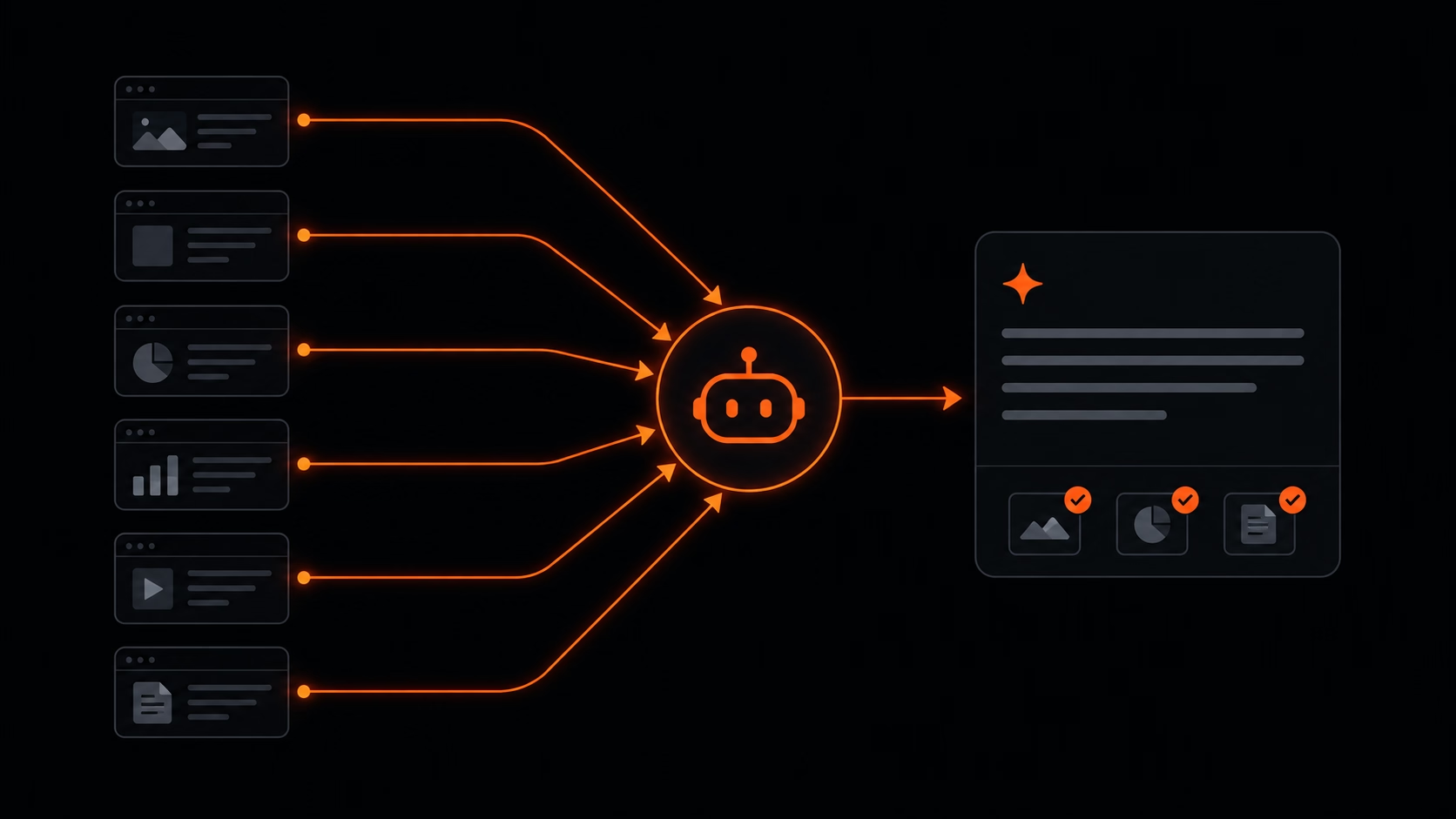
Generative engine optimization is the practice of structuring your content so AI engines can find it, trust it, and cite it when they generate an answer. Those engines include ChatGPT, Google’s AI Overviews, Perplexity, Gemini, and Copilot.
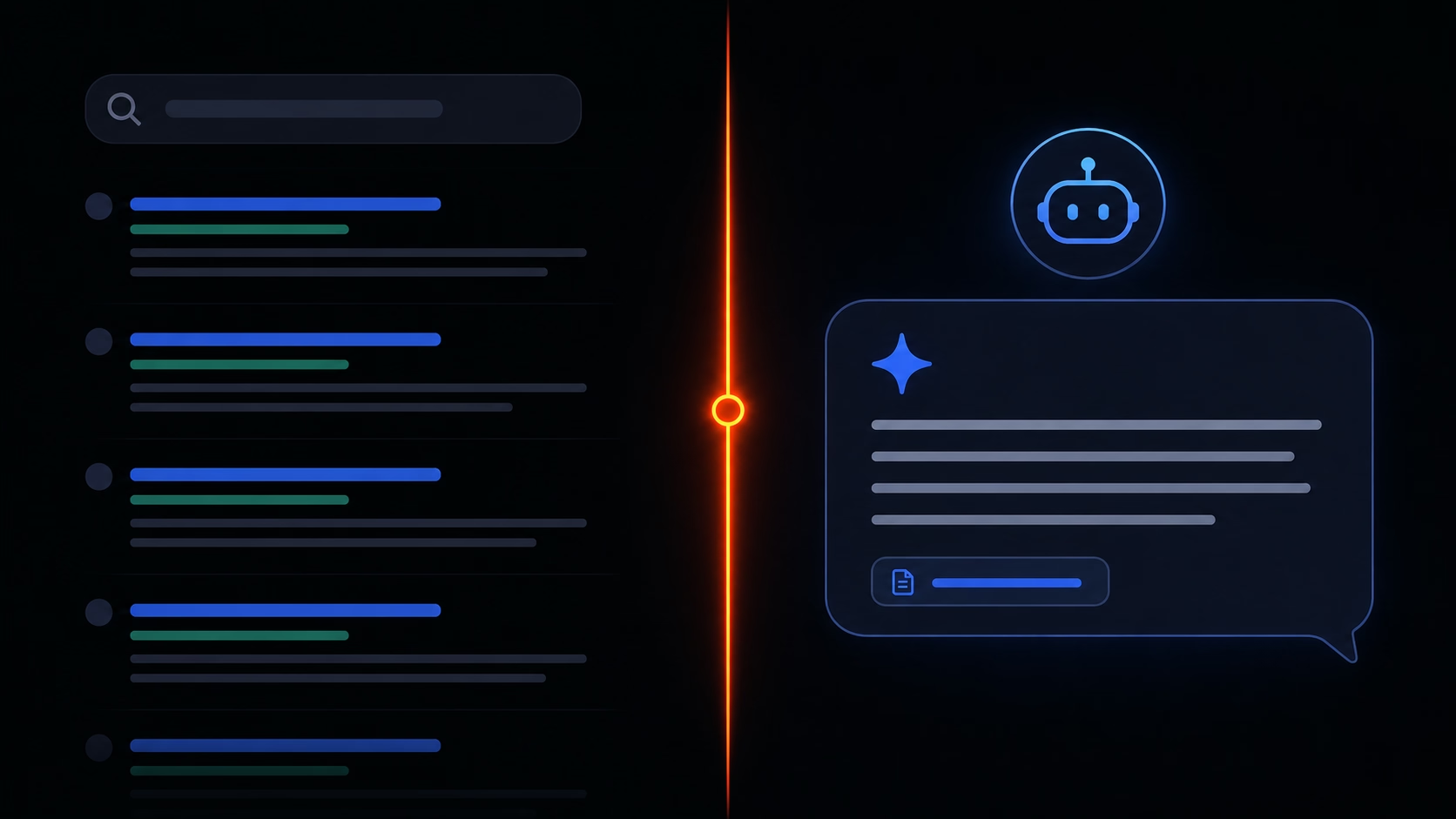
The difference in goal is subtle but huge. With SEO, you want to be one of ten links on a page. With GEO, you want to be one of the two to seven sources an AI actually names inside its answer. You’re no longer just trying to rank — you’re trying to become part of what the AI says.
Generative engine optimization vs SEO: what’s actually different?
They share the same foundation, but they aim at different targets. Here’s the side-by-side view:
| SEO | GEO | |
|---|---|---|
| Where you appear | In the list of search results (the “blue links”) | Inside the AI’s written answer, as a cited source |
| Main goal | Earn a click to your site | Earn a mention or citation in the answer |
| Key platforms | Google, Bing search results | ChatGPT, Google AI Overviews, Perplexity, Gemini, Copilot |
| How you win | Keywords, backlinks, technical health, content quality | Clear structure, direct answers, schema, brand authority, trusted mentions |
| Success looks like | A high ranking position and traffic | Your brand named or linked in AI answers |
| How you measure | Rankings, clicks, organic traffic | Citations in AI tools, referral traffic from AI |
Why does this matter for small businesses right now?
Because the way people search is shifting fast — and it’s shifting away from clicks.
In 2026, roughly two-thirds of US Google searches end without anyone clicking a result (SparkToro/Datos clickstream data). When an AI Overview appears at the top, that number climbs to around 83%. The searcher reads the AI’s answer and moves on.
At the same time, people are increasingly skipping Google entirely. ChatGPT passed 900 million weekly users by early 2026, and a growing share of buying research now happens inside AI chats instead of a search results page.
Here’s the part that should get your attention: research from GEO firm Brandlight found the overlap between the top Google links and the sources AI actually cites has fallen from around 70% to under 20%. In other words, ranking #1 on Google no longer guarantees you’ll be mentioned by the AI. That’s a whole new visibility game — and most small businesses haven’t started playing it yet.
Do you have to choose between SEO and GEO?
No — and this is the most important takeaway. GEO doesn’t replace SEO; it builds on top of it.
AI engines pull from the open web, so a page that’s crawlable, fast, and authoritative (good SEO) is also a page an AI can find and cite (good GEO). The brands winning at GEO in 2026 are almost always the same ones that already did SEO well. The foundation carries over — GEO just adds a new layer on top.
How do you optimize for both?
You don’t need two separate strategies. A handful of habits cover both at once:
- Lead with the answer. Put a clear, direct answer (about 40–60 words) near the top of each page, before the background. AI engines love to lift these.
- Write headings as real questions. “What is GEO?” gets cited more often than “GEO Overview,” because it matches how people actually ask.
- Keep paragraphs short. Two to three sentences. AI extracts clean, short passages far more easily than walls of text.
- Add schema markup. FAQPage and Article schema help both Google and AI understand your page.
- Be consistent about your brand. Use the same business name, description, and details everywhere so AI can connect the dots and trust you.
- Build real authority. Reviews, mentions on other sites, and quality backlinks tell both Google and AI you’re credible.
- Keep content fresh. Update stats, prices, and dates every few months. Fresh pages get cited more.
- Nail the SEO basics first. A fast, crawlable, well-structured site is the foundation everything else sits on.
The bottom line
SEO and GEO aren’t rivals — they’re two sides of getting found in 2026. SEO keeps you visible in traditional search. GEO makes sure that when an AI answers your customer’s question, your business is part of the answer. Ignore either one and you leave visibility on the table.
If you’d rather have this handled for you, that’s exactly what our SEO & GEO service is built for. And since a fast, well-structured website is the foundation for all of it, it’s worth reading what a great startup website needs too.
Frequently asked questions
Is GEO replacing SEO?
No. GEO is a layer that sits on top of SEO, not a replacement for it. AI engines pull from the open web, so strong SEO fundamentals are what make your content available for AI to cite in the first place.
What’s the difference between GEO and AEO?
AEO (answer engine optimization) focuses on winning direct answer slots like featured snippets and answer boxes. GEO focuses on being cited inside a full AI-generated response. In practice they overlap heavily and use very similar tactics.
Which AI engines does GEO target?
The main ones are ChatGPT, Google AI Overviews, Perplexity, Gemini, and Copilot — plus any other AI assistant that answers questions by pulling from web sources.
Do small businesses really need GEO in 2026?
Increasingly, yes. As more searches end inside AI answers instead of website clicks, being cited by AI is becoming as important as ranking on Google was a decade ago. Getting in early, while competitors ignore it, is an advantage.
How long does GEO take to work?
Like SEO, it’s a medium-term play. Because GEO builds on your existing SEO foundation, sites that already have solid SEO often start seeing AI citations within a few months of consistent, well-structured content.

Like what you just read?
Tell us about your project and get a clear, fixed quote within 24 hours — free, no obligation.
Get a free quote →